

Psoriasis Treatment in Thane: What India's New AYUSH Guidelines Mean for Patients
People searching for psoriasis treatment in Thane often have questions about the condition, available medicines and whether Ayurvedic treatment can help manage its symptoms. A recent development in India has also brought attention to the management of skin conditions through traditional healthcare systems.
On 13 October 2026, the Ministry of Ayush announced Standard Treatment Guidelines for dermatological disorders across Ayurveda, Siddha, Unani and Homoeopathy, with Yoga included. The guidelines cover conditions such as psoriasis, dermatitis, vitiligo and urticaria, bringing greater attention to standardised approaches to skin healthcare.
However, the announcement does not establish that psoriasis has a permanent cure or that every Ayurvedic procedure is suitable for every patient. Understanding the condition and available treatment options remains important before choosing a healthcare approach.
What Is Psoriasis and What Are Its Common Symptoms?
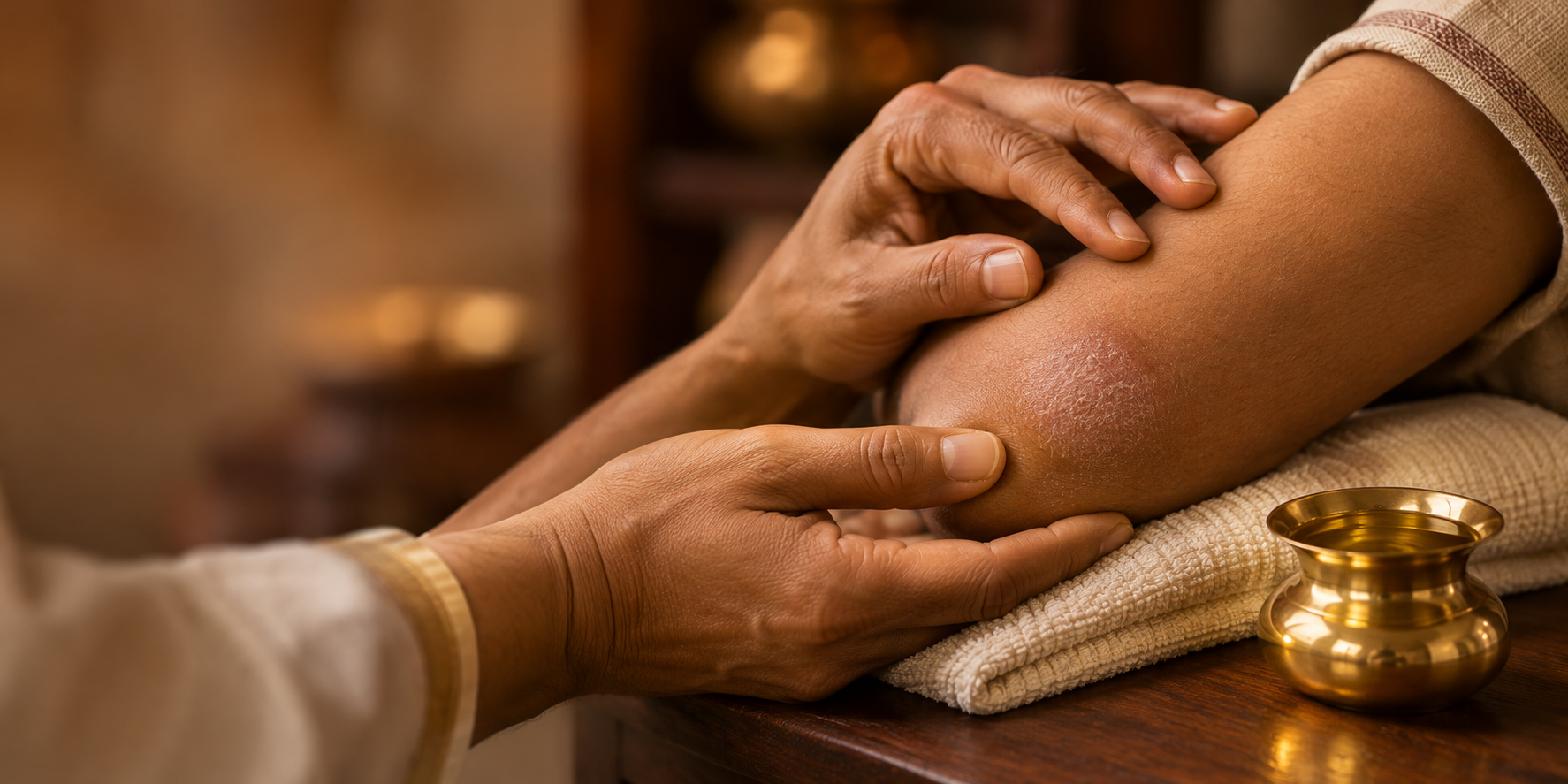
Psoriasis is a chronic inflammatory skin condition that affects the normal skin-cell renewal process. It can cause raised, dry and scaly patches on different parts of the body, including the scalp, elbows, knees and lower back. Recognising its symptoms and understanding how the condition develops can help patients seek an appropriate diagnosis and explore suitable treatment options.
What Does Psoriasis Mean in Terms of Skin Health?
Psoriasis is more than an ordinary dry-skin problem. It is a long-term condition that can affect different parts of the body. Its appearance and severity vary between individuals, and symptoms may improve or become more noticeable over time.
What Are the Common Psoriasis Symptoms?
Common psoriasis symptoms include:
- Dry, raised and scaly skin patches.
- Itching, irritation or burning sensations.
- Cracked skin that may sometimes bleed.
- Thickened, pitted or discoloured nails.
- Discomfort or pain in affected areas.
A dermatologist can examine the skin, scalp and nails to identify the condition. In some cases, additional testing or a skin biopsy may be recommended.
Is Psoriasis a Skin Infection?
No. Psoriasis is not a contagious skin infection. It does not spread through physical contact, sharing clothes or being around someone who has the condition. However, certain infections can trigger flare-ups in people who are predisposed to psoriasis.
What Are the Available Psoriasis Treatment Options?
Psoriasis treatment depends on several factors, including the severity of the condition, the affected areas and the patient's medical history. Different approaches are available, ranging from topical creams and phototherapy to prescription medicines and injectable treatments. Understanding these options can help patients have more informed discussions with their healthcare professionals.
What Medicines Are Commonly Used for Psoriasis Treatment?
For mild or localised psoriasis, dermatologists may recommend topical treatments such as corticosteroid creams, vitamin D-based preparations and moisturisers. These treatments can help manage inflammation, scaling and dryness.
For more extensive psoriasis, treatment may involve phototherapy or prescription medicines that work throughout the body. Some systemic medicines and biologic therapies target specific parts of the immune response. These treatments require professional supervision because they may have side effects and need regular monitoring.
Can Psoriasis Treatment Injections Help?
Yes. Certain injectable medicines, including biologic therapies, may be prescribed for selected people with moderate-to-severe psoriasis. They target specific immune-system pathways involved in inflammation.
However, injections are not suitable for everyone. A dermatologist must assess the patient's condition, medical history and potential risks before recommending them.
What Is the Best Treatment for Psoriasis?
The best treatment for psoriasis is the one selected according to an individual's condition and healthcare needs. A treatment that works for one psoriasis patient may not be appropriate for another.
Avoid selecting psoriasis treatment medicine based only on online recommendations, advertisements or testimonials. A professional diagnosis is important before starting or changing treatment.
What Do India's New AYUSH Guidelines Mean for Psoriasis Patients?
India's Ministry of Ayush announced Standard Treatment Guidelines for dermatological disorders on 13 October 2026, bringing attention to the standardisation of traditional healthcare approaches. The announcement includes conditions such as psoriasis and other skin disorders. For patients exploring treatment options, it is important to understand what these guidelines cover and what they do not establish about treatment effectiveness.
Do the New Guidelines Mean Ayurveda Can Permanently Cure Psoriasis?
No. The announcement does not establish a permanent cure for psoriasis. It focuses on standardising clinical approaches across different AYUSH systems and supporting evidence-informed practice.
Patients should understand the difference between official treatment guidance and proof that a particular treatment produces a guaranteed outcome. Always refer to the official government announcement when discussing the guidelines.
Why Should Patients Understand Treatment Safety?
Patients should check the qualifications of their healthcare practitioners and understand the medicines or procedures being recommended. Share details of existing prescriptions, supplements, allergies and medical conditions before beginning a new treatment.
Do not stop or change prescribed psoriasis medication without consulting the doctor responsible for your care.
What Should You Know Before Exploring Ayurvedic Treatment for Psoriasis in Thane?
People exploring Ayurvedic psoriasis treatment often want to understand the procedures, medicines and expected treatment approach before choosing a healthcare centre. However, selecting a treatment requires more than comparing claims or testimonials. Patients should consider practitioner qualifications, treatment safety and how the proposed approach fits with their existing medical care, particularly when looking for options in Thane.
Can Ayurvedic and Conventional Treatments Be Used Together?
This depends on the individual and the treatments involved. Some herbal products may interact with prescription medicines, and product ingredients can vary. Patients should discuss their treatment plans with both their dermatologist and qualified Ayurvedic practitioner before starting additional medicines or procedures.
How Does Panchakarma Fit into Ayurvedic Treatment?
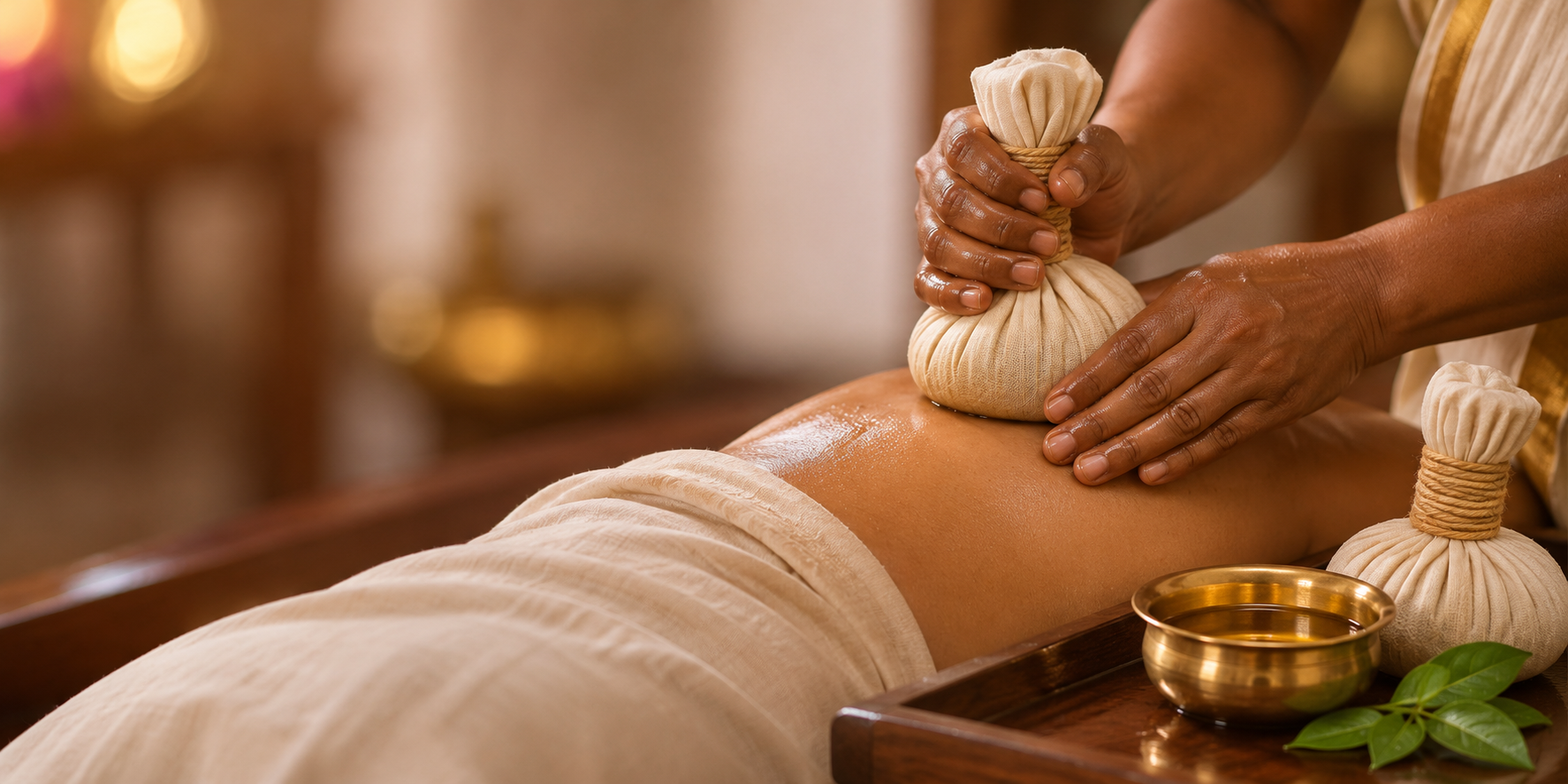
Panchakarma is a traditional Ayurvedic treatment system involving different procedures selected according to an individual's assessment. It includes preparatory procedures, main therapies and post-treatment care.
You can understand the different stages and procedures by exploring Ayursoukhyam's Panchakarma Treatment page.
However, Panchakarma should not be presented as a proven cure for psoriasis. Its suitability must be assessed by a qualified practitioner, considering the patient's health, current medicines and other clinical requirements.
How Does Ayursoukhyam Approach Ayurvedic Care for Psoriasis in Thane?
Choosing a healthcare centre involves understanding its treatment approach, available procedures and consultation process. Ayursoukhyam is a Kerala Ayurveda and Panchakarma centre in Thane. People who want to understand its background and approach can explore About Ayursoukhyam.
The centre has a dedicated Ayurvedic Psoriasis Treatment page describing its approach. The page lists internal and external procedures, including Snehapanam, Vamana, Virechana, Takradhara and Thailadhara.
These procedures form part of the centre's described approach; their suitability depends on individual assessment. Patients considering a consultation should discuss their diagnosis, current medicines, previous treatments, allergies and other health conditions with the practitioner.
You can also explore Ayursoukhyam's Kerala Ayurvedic Therapies to understand the range of traditional procedures described by the centre.
Ayursoukhyam has three clinic locations in Thane: Thane Station, Hiranandani Estate and Hiranandani Meadows. People comparing Ayurvedic care options in Thane can view the clinic locations and contact details to enquire about a consultation. People travelling from Mumbai can also consider these locations based on accessibility.
Frequently Asked Questions About Psoriasis Treatment
People researching psoriasis treatment often have questions about its symptoms, treatment duration and long-term management. They may also want to understand whether psoriasis is contagious, whether it can be cured permanently and whether Ayurvedic and conventional treatments can be considered together. The following answers address some of these common concerns.
Is Psoriasis Completely Curable?
There is currently no established permanent cure for psoriasis. However, appropriate treatment can help manage symptoms and support periods of remission.
Is Psoriasis Contagious?
No. Psoriasis is not contagious and cannot spread through physical contact or sharing personal belongings.
Can Diet and Stress Affect Psoriasis?
Stress may trigger or worsen flare-ups in some people. Diet is also relevant to overall health, but no single diet is proven to cure psoriasis. Discuss significant dietary changes with a qualified healthcare professional.
How Long Does Psoriasis Treatment Take?
Treatment duration varies according to the type and severity of psoriasis and the chosen treatment. Some people may notice improvement within weeks, while others need longer-term management and follow-up.
Where Can I Explore Ayurvedic Treatment for Psoriasis in Thane?
You can explore Ayursoukhyam's psoriasis treatment information and enquire about consultation at its Thane Station, Hiranandani Estate or Hiranandani Meadows clinic locations.
Conclusion
Managing psoriasis starts with understanding the condition and receiving an appropriate medical assessment. Although different treatment options are available, there is no established permanent cure, and individual results can vary. India's new AYUSH guidelines bring greater attention to standardised approaches for dermatological conditions, including psoriasis.
Patients exploring Ayurvedic care in Thane should prioritise qualified guidance, treatment safety and informed healthcare decisions. Whether considering conventional or Ayurvedic options, make informed decisions with qualified healthcare professionals.